I shall be telling this with a sigh
Somewhere ages and ages hence:
Two roads diverged in a wood, and I—
I took the one less traveled by,
And that has made all the difference.
Frost….
These lines if read properly and related to every soul, will give an immense glimpse of what a relation means within a father and a daughter. The story of a girl who was born in the prime of patriarchy and male dominating society, rose up to make history, and perhaps an enlightening example for every girl in Independent India.
A very ardant Brahmo reformer Mr. Braja Kishore Basu, was headmaster of Bhagalpur School. He along with Mr. Abhay Charan Mallick started the movement for women’s emancipation at Bhagalpur, establishing the women’s organisation Bhagalpur Mahila Samiti in 1863, the first in India.
This introduction was undoubtedly important to begin with, because the words ” WOMENS EMANCIPATION” will be the soul of this fable.
So, Mr. Brija Kishore Basu- school headmaster, had a priced possession with him. A DAUGHTER who was born on 18 July 1861 at Bhagalpur, Bihar in British India. She was named Kadambini.
Kadambini started her education at Banga Mahila Vidyalaya and while at Bethune School (established by Bethune). In 1878 she became the first woman to pass the University of Calcutta entrance examination. It was partly in recognition of her efforts that Bethune College first introduced FA (First Arts), and then graduation courses in 1883. She and Chandramukhi Basu became the first graduates from Bethune College, and in the process became the first female graduates in the country and in the entire British Empirell.
Kadambini overcame some opposition from the teaching staff, and orthodox sections of society, but that never dettered her determination and inspite of all the hardships she went to the United Kingdom in 1892 and returned to India after qualifying as LRCP (Edinburgh), LRCS (Glasgow), and GFPS (Dublin).
She was offered a job in the best medical colleges of that era in the United kingdom but she chose to return back to India…for her part which she had to play was about to start.
Deeply inspired by her father, and his dedication towards ” WOMEN EMANCIPATION” she chose to marry his fathers Bramho reform leader Shree. DWARKANATH GANGULY and was thereafter known as KADAMBINI GANGULY. They were actively involved in female emancipation and social movements to improve work conditions of female coal miners in eastern India. She was one of the six female delegates to the fifth session of the Indian National Congress in 1889, and even organised the Women’s Conference in Calcutta in 1906 in the aftermath of the partition of Bengal. In 1908, Kadambini had also organised and presided over a Calcutta meeting for expressing sympathy with Satyagraha – inspired Indian labourers in Transvaal, South Africa. She formed an association to collect money with the help of fundraisers to assist the workers.
She was heavily criticised by the then conservative society opposing women liberation. After returning to India and campaigning for women’s rights ceaselessly, she was indirectly called a ‘whore’ in the magazine ‘Bangabashi’, but that could not deter her determination. She took the case up to the court and eventually won with a jail sentence of 6 months meted out to the editor Mahesh Pal.
“Ganguli’s wife, Kadambini, was appropriately enough the most accomplished and liberated Brahmo woman of her time. From all accounts, their relationship was most unusual in being founded on mutual love, sensitivity and intelligence… Mrs. Ganguli’s case was hardly typical even among the more emancipated Brahmo and Christian women in contemporary Bengali society. Her ability to rise above circumstances and to realize her potential as a human being made her a prize attraction to Sadharan Brahmos dedicated ideologically to the liberation of Bengal’s women.”
David Kofp.
What gave Kadambini Ganguly such courage, so much passion to rise above the socioeconomic difficulties and an era which was so much against the liberation of women, undoubtedly an inspiration, a driving force, a mentor and a person closest to her heart…..HER FATHER.
KADAMBINI went on to become the first certified doctor of INDEPENDENT INDIA. Not only did she cure the ailments of the people but she cleansed the society and eventually a part of the world for underprivileged women as well.
Greatness is not in stature or power, greatness is a simple approach for unconditional love, faith and sacrifice. And the best examples are always somehow connected to the JOURNEY HAND in HAND between a father and his daughter.
#KADAMBINI#WILL#STRUGGLE#SOCIETY#FATHER#DAUGHTER#RELATION#WORLD.
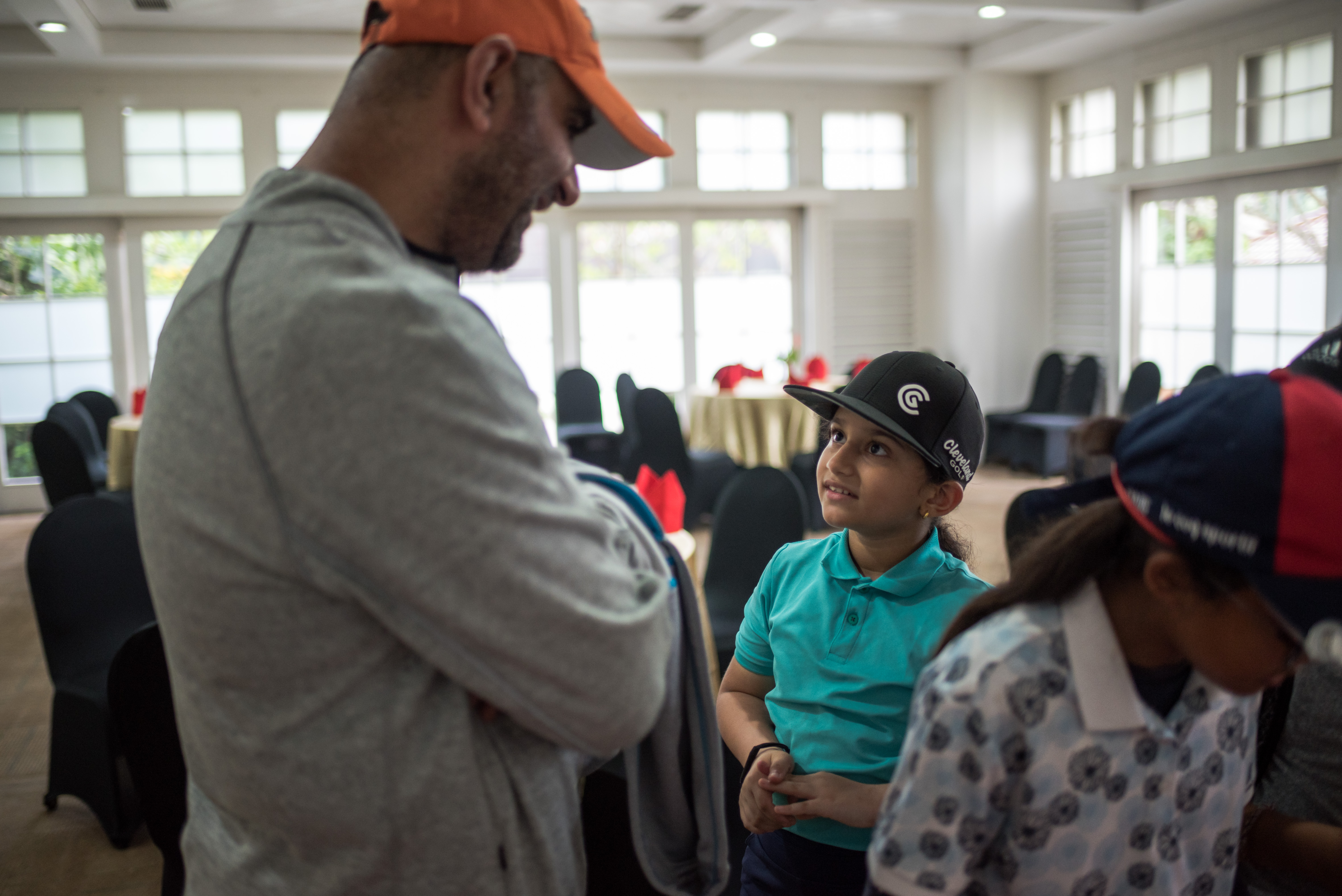






 Daughter means a world to father